

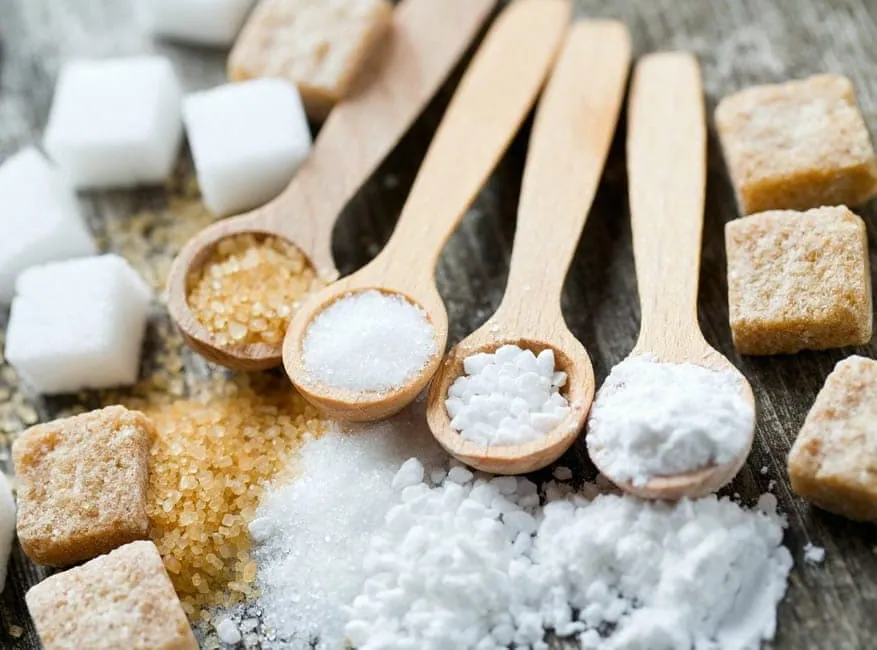
Sugar and sweeteners are everywhere, and if you’re following a low FODMAP diet, there are certain sweeteners you want to avoid. “Is dextrose low FODMAP” is a question that often comes up due to it being a popular sweetener. Here’s a closer look at how Dextrose is tolerated by those with IBS and other digestive issues.
What Is Dextrose?

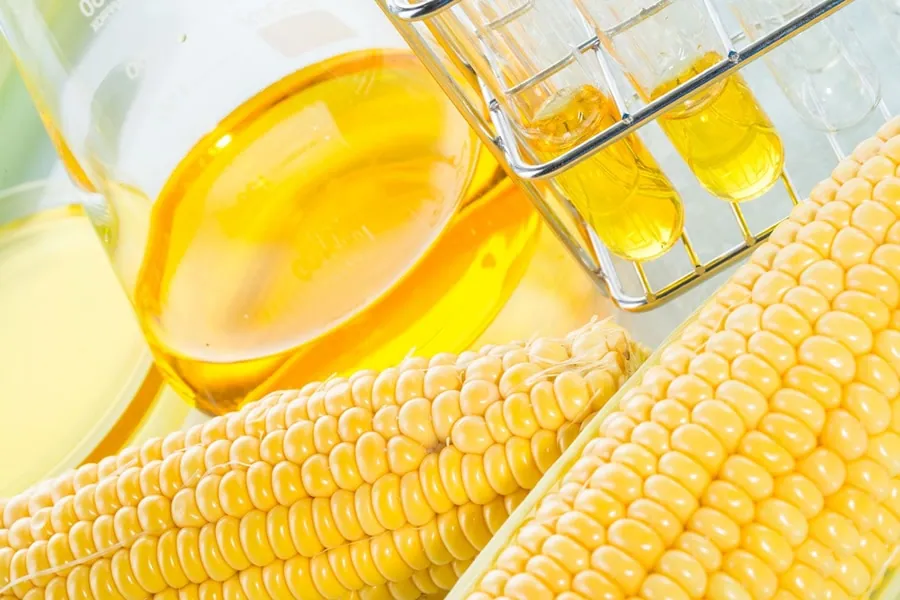
Dextrose is a type of sugar that’s created as corn is broken down. If you make a habit of looking at food labels, chances are you’ve seen dextrose listed, as it’s one of the most popular sweeteners added to foods. Dextrose is commonly mistaken for something more complex than it really is. Dextrose is actually the crystallized form of glucose, or simple sugar, and chemically identical.
Is Dextrose Low FODMAP?

Sugars, including glucose and dextrose, have a bit of an undeserved bad reputation when it comes to being low FODMAP. We know that FODMAPs are carbohydrates and that simple sugar is a carbohydrate, so that must mean that dextrose is a solid no on the low FODMAP diet, right?
Not necessarily. Not all carbohydrates are created equal where FODMAPs are concerned. The main culprit for digestive issues is fructose, not glucose or dextrose. The general thought is that as long as sugar or sweetener contains at least equal amounts of glucose (or dextrose) to fructose, then it is generally well tolerated.
So, to answer the question, yes, dextrose is low FODMAP and doesn’t need to be avoided for digestive health. However, consuming too much sugar in any form, even if it’s FODMAP friendly, can lead to other health issues, including obesity and diabetes.
FAQs
Is granulated sugar low FODMAP?
Granulated sugar is a disaccharide, meaning each sugar molecule contains two monosaccharides. Don’t worry, you don’t need to go back and revisit your high school chemistry book to understand this. It simply means that each molecule of granulated sugar contains one molecule of glucose and one molecule of fructose.
While the “D” in FODMAP does stand for disaccharide, and granulated sugar is a disaccharide, it is still generally well tolerated. This is because of the balance of glucose to fructose. According to Monash University, the world’s leading respected authority on the FODMAP diet, foods are tested, and if glucose is present in at least an equal amount, fructose is better absorbed and tolerated. Granulated sugar fits this formula, making it low FODMAP.
What sweetener is best for IBS?
There are several sweeteners that IBS sufferers tolerate without issue. When choosing a sweetener, you really want to stay away from anything that’s fructose or fructose-based, including high fructose corn syrup, which is not the same as regular corn syrup.
Table sugar, brown sugar, cane sugar, beet sugar, palm sugar, pure maple syrup, stevia, and dextrose are all considered low FODMAP sweeteners. Just keep in mind that moderation is key.
Are artificial sweeteners bad for IBS?
The concern here is that many artificial sweeteners haven’t officially been tested for FODMAPs, so at best, you’re making an educated guess on whether they’ll cause issues while following a low FODMAP diet. The exception to this is Stevia, which is considered low FODMAP at 2 grams.
You also want to avoid artificial sweeteners that are polyols (the “P” in FODMAP). You can usually recognize these by their ending of “tol.” Examples include sorbitol, xylitol, mannitol, maltitol, and the outlier to the “tol” spelling rule – isomalt.
Bottom Line
The low FODMAP diet limits or eliminates certain types of carbohydrates. Surprisingly, many sugars/sweeteners, including dextrose, are low FODMAP. The next time you’re asking if dextrose is low FODMAP, you can rest easy knowing that in moderation, dextrose is well tolerated by individuals with IBS symptoms.